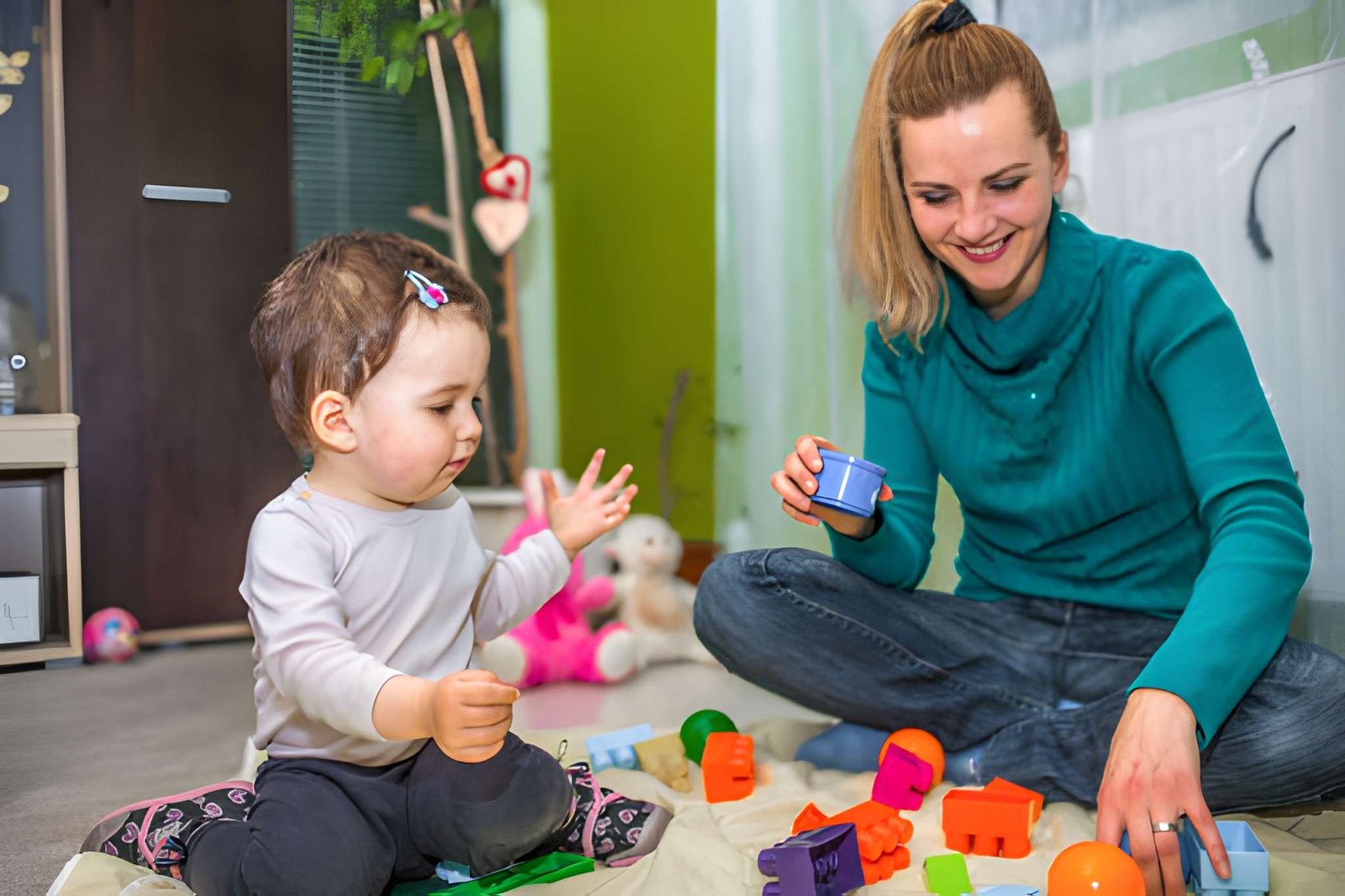


For people exploring residential child care worker jobs, children’s home careers or residential support worker roles, the question is rarely about salary alone. The more interesting question is whether a career can genuinely matter.
● ● ●
It is a damp October evening. Rain taps lightly against the kitchen window, the sort of weather that encourages people either to linger indoors or to complain enthusiastically about the British climate. Around the table, conversation drifts in the way it often does when young people feel comfortable enough not to think too hard about what they are saying. A teenager who has spent most of the day insisting they have absolutely no interest in college is now passionately discussing course options. Across from them sits a residential child care worker who has heard this contradiction before and wisely chooses not to point it out.
Instead, they listen.
What follows is not particularly dramatic. There are no life-changing revelations, no inspirational speeches and certainly no cinematic breakthrough worthy of a television drama. By next month, neither person will probably remember the precise details of the conversation. Yet if you speak to enough adults about the people who shaped their lives, you start to notice something curious. The moments that matter most are often the least remarkable at the time. Influence rarely arrives wearing a name badge. More often, it slips quietly into ordinary conversations, ordinary afternoons and ordinary relationships.
Ask a hundred adults to explain how they became the people they are today and, sooner or later, most will start talking about somebody who took an interest in them. The details vary, but the pattern remains remarkably consistent. It may have been a teacher who stayed behind after class, a football coach who continued to believe in them when confidence disappeared, a manager who trusted them with responsibility before they trusted themselves, or perhaps simply an adult who noticed them at a moment when they needed noticing.
When people remember childhood, they rarely remember systems. They seldom recall policies, procedures or organisational structures. What they remember are people.
This perhaps explains why careers in residential child care can be difficult to describe to somebody who has never experienced them. Most professions lend themselves to straightforward explanations. An accountant manages finances. A surveyor assesses property. A solicitor provides legal advice. Children’s residential care jobs are rather more complicated because they cannot be fully understood through a list of responsibilities.
Of course, residential child care workers support education, encourage independence, promote positive behaviour and safeguard young people. They help with practical tasks, attend meetings and contribute to care planning. Yet none of those activities explains why so many professionals remain in the sector for years, sometimes decades. The reason lies elsewhere.
At its heart, residential child care is a profession built on relationships.
That may sound obvious, but it feels increasingly significant in a culture that often prefers measurable outcomes to human connection. We live in an age that is understandably fascinated by data. We measure performance, monitor progress and evaluate success through numbers. Yet some of the most important things in life refuse to fit neatly inside a spreadsheet. Trust is difficult to quantify. Confidence is almost impossible to measure accurately. The impact of helping a young person see a future they could not previously imagine does not easily convert into percentages or graphs.
And yet those things matter enormously.
The challenge is that society often overlooks the importance of consistency because consistency is rarely dramatic. Nobody writes headlines about the young person who attended school four days this week instead of three. There are no awards ceremonies for the residential support worker who calmly repeats the same encouragement month after month until a teenager begins to believe it. Few people celebrate the countless small moments through which trust is built, partly because they appear unremarkable when viewed in isolation.
Taken together, however, those moments can alter the course of a person’s life.
Anyone who has worked in children’s residential care understands this instinctively. Progress rarely arrives as a sudden transformation. More often, it resembles the slow growth of a tree. For months, perhaps years, very little seems to change. Then one day you realise something important has happened. A young person who never engaged with education is discussing future ambitions. Someone who struggled to communicate is contributing confidently to a conversation. A teenager who once resisted support is beginning to ask for help when they need it.
The result appears sudden. The process never is.
This reality often comes as a surprise to people considering a career in residential child care. Many expect the profession to revolve around major interventions when, in truth, it is frequently the quieter interactions that carry the greatest significance. The school run. The conversation over breakfast. The car journey after a difficult day. The shared joke that breaks tension at exactly the right moment. The reassuring presence of an adult who remains calm when everybody else seems overwhelmed.
In many ways, the role resembles gardening more than construction. Construction is visible. You can point to a building and see progress immediately. Gardening requires patience. You prepare the conditions, provide support and trust that growth will occur in its own time. You cannot force a flower to bloom by pulling at its petals. You can only create an environment in which growth becomes possible.
Young people are often much the same.
Perhaps this is one reason why the sector attracts people from such diverse backgrounds. Some of the best residential child care workers began their professional lives in hospitality, retail, education, healthcare, customer service or youth work. Many discovered children’s home careers almost accidentally. They did not set out with a carefully structured plan to work in residential care. Instead, they gradually realised that the aspects of work they enjoyed most always involved people: helping somebody gain confidence, encouraging progress, building relationships and supporting growth.
The profession therefore attracts individuals who are often motivated less by status and more by purpose, which is increasingly relevant at a time when many people are reassessing what they want from work. Conversations about careers have evolved. While salary, security and progression remain important, there is also a growing interest in something less tangible. People want to understand the value of their contribution. They want work that feels connected to real lives rather than abstract outcomes.
Residential child care worker jobs offer that connection in a particularly direct way. The impact may not always be immediate, but it is visible. Over time, residential child care workers witness young people overcome challenges, achieve goals, develop independence and build confidence. They see futures expanding, possibilities emerging where previously there seemed to be very few, and young people gradually discovering strengths they did not realise they possessed.
And perhaps that is where the true answer to the title of this article begins to emerge. The question is not really whether one person can make a difference. History has already answered that. Most of us can identify somebody whose influence altered the direction of our lives: a teacher, a coach, a neighbour, a family friend or a colleague who, through a mixture of consistency, belief and encouragement, helped us become a slightly better version of ourselves.
The more interesting question is whether you would find fulfilment in becoming that person for somebody else.
Residential child care is not about rescuing young people. The language of rescue has always felt slightly misleading because it places the adult at the centre of the story. Effective residential child care is about something more collaborative. It is about walking alongside young people as they develop confidence, resilience and independence. It is about creating opportunities rather than controlling outcomes, and believing in somebody’s potential long before they are ready to believe in it themselves.
That responsibility can feel daunting, but it is also what gives the profession its meaning. Most careers offer opportunities to contribute. Few offer quite such a direct connection between your daily actions and somebody else’s future. This is why so many people discover residential child care worker jobs unexpectedly and remain within the sector for far longer than they originally planned. They arrive looking for employment, but stay because they find purpose.
In a world where increasing numbers of people are asking whether their work genuinely matters, that may be one of the most compelling reasons to consider a career in residential child care.
Thinking About a Career in Residential Child Care?
| If you are exploring residential child care worker jobs, children’s home careers, residential support worker roles or children’s residential care jobs in Greater Manchester and the North West, consider what draws you to the profession in the first place.If the answer involves helping people grow, building positive relationships and wanting to do work that has a lasting impact, then a career in residential child care may be worth exploring further.At Fledglings Child Care, we believe that great children’s homes begin with great people, and that the most important difference a young person can experience is often the presence of an adult who simply keeps turning up when it matters most.Visit www.fledglingschildcare.co.uk to explore current opportunities. |